Se nos fue asignada la tarea de realizar una presentación sobre los carbohidratos, su digestión, sus funciones, su composición, etc. Este fue nuestro producto final.
lunes, 28 de agosto de 2017

jueves, 24 de agosto de 2017
Dos para uno, y uno para dos
Para mí el título es “ está en nuestras manos “ ya que es decisión de uno, cuidarse, en este caso ante un acto sexual. Por eso el título dice que está en nuestras manos; ya que usar un preservativo es muy, muy importante y depende solamente de nosotros y en cualquier caso de nuestra pareja.


martes, 22 de agosto de 2017
Dos aparatos Distintos
Se nos fue asignada la tarea de buscar las partes y funciones de ambos sistemas reproductores ( masculino y femenino )


martes, 8 de agosto de 2017
This are the answers to the questions se where given in the history clases.
1) Which countries are part of eastern Europe?
The countries that are part of Eastern Europe are:
· Warsaw – Poland
· Berlin – East Germany
· Prague – Czechoslovakia
· Budapest - Hungary
· Bucharest – Romania
· Bulgaria
· Belgrade - Yugoslavia
· Albania
2) Stalin used a "carrot and stick" approach to controlling Eastern Europe. What does this mean?
This means that, he use them (E.E people) to obtain more land by persuading them with the idea of having a great economy, AND THIS WORKED!
But the problem was that E.E factories were producing what the USSR needed not what they needed ( E.E people )
3) How could Stalin gain control of Eastern Europe? Explain in which ways the panorama was favourable for him to take power. ***
What Stalin did to gain control over eastern europe was promised them power and a stable economy by the continuous trade with the soviet union.
In this case the panorama for Him was very positive because after the wars Many countries were devastated and the dream of a stable economy was an everyday dream, so for Stalin earning controle over this devastated countries was relatively easy.
4) What are the Cominform and the Comecon?
Cominform
|
Comecon
|
|
|
5) Expectation versus reality: explain what ordinary people thought about Communism what actually happened afterwards.
What People Thought
|
What Really Happened
|
|
|
lunes, 10 de julio de 2017
The Water
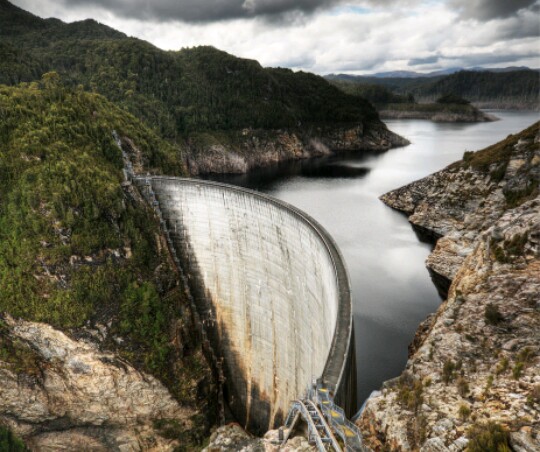
In the EM class we were asingned to write about the problem of water distribution al arround the world
Personally I think that water distribution is one The most unfair problems un society, because even though there is a lot of water in general The amount of fresh water is very little and the countries with high amounts of rainfall, like singapore don't have The capacity to storage The water they need so they are consider water-poor countries, these is an excepción because the majority ar water-poor countries have desert countries we're there la almost no precipitation ; meanwhile countries like Brazil or Russia have Huge storages for water And the high Rains make them water-rich countries.
lunes, 26 de junio de 2017
Wilma " case study "
We were ask to search for a hurricane case anda ad info about ir. WILMA CATEGORY FIVE
Wilma is the largest hurricane ever to have adopted the Mexican nation. It entered by the peninsul of cozumel and advanced until the Mayan rivera. Occurred in October 2005, it left 8 dead and more than 10 billion dollars in losses, only in the country.
It is the most intense hurricane recorded in the Atlantic and the 10th most intense tropical cyclone registered in the world.
Wilma is the largest hurricane ever to have adopted the Mexican nation. It entered by the peninsul of cozumel and advanced until the Mayan rivera. Occurred in October 2005, it left 8 dead and more than 10 billion dollars in losses, only in the country.
It is the most intense hurricane recorded in the Atlantic and the 10th most intense tropical cyclone registered in the world.
viernes, 2 de junio de 2017
La turgencia del conocimiento
Luego de un experimento en la clase de SADO se nos propuso hacer una entrada explicando el procedimiento y lo sucedido durante este. Para realizar el experimento se necesito un huevo envinagrado, azúcar, agua y una cámara. Estas fueron nuestras instrucciones.
Procedimiento:
1- Extracción de la cáscara de huevo: Para no dañar el resto del huevo, hay que colocarlo dentro de un vaso con vinagre y dejarlo 2 días.
2- Luego de ese lapso, retirar el huevo del vaso y raspar suavemente con la yema de los
dedos, debajo del agua corriente, para eliminar la cáscara que se ha ablandado.
3-Observar su forma y tamaño. Colocar sobre la palma de la mano y apretar suavemente.
4- Colocar el huevo en un plato hondo y cubrir con azúcar. Esperar de 15 a 20 minutos.
5-Registrar todo lo observado.
6- Retirar el huevo del plato y enjuagarlo bajo la canilla.
7- Repetir el punto 3. Notás alguna diferencia?
8- Colocar ahora dentro del vaso y repetir el punto 3. Registrar los cambios observados.
9- Comparar esto último, con lo observado en los puntos 3, 5, y 7.
Luego del experimento se nos explicaron los cambios. Por ej, cuando el huevo era introducido en un ambiente salado o HISOTONICO ( en este caso ) al haber poco soluto y mucho solvente, el solvente entra y el huevo se achica mientras que cuando lo rodeamos con agua se convierte en un ambiente IPOTONICO por lo tanto este va a inflarce.


1- Extracción de la cáscara de huevo: Para no dañar el resto del huevo, hay que colocarlo dentro de un vaso con vinagre y dejarlo 2 días.
2- Luego de ese lapso, retirar el huevo del vaso y raspar suavemente con la yema de los
dedos, debajo del agua corriente, para eliminar la cáscara que se ha ablandado.
3-Observar su forma y tamaño. Colocar sobre la palma de la mano y apretar suavemente.
4- Colocar el huevo en un plato hondo y cubrir con azúcar. Esperar de 15 a 20 minutos.
5-Registrar todo lo observado.
6- Retirar el huevo del plato y enjuagarlo bajo la canilla.
7- Repetir el punto 3. Notás alguna diferencia?
8- Colocar ahora dentro del vaso y repetir el punto 3. Registrar los cambios observados.
9- Comparar esto último, con lo observado en los puntos 3, 5, y 7.
Luego del experimento se nos explicaron los cambios. Por ej, cuando el huevo era introducido en un ambiente salado o HISOTONICO ( en este caso ) al haber poco soluto y mucho solvente, el solvente entra y el huevo se achica mientras que cuando lo rodeamos con agua se convierte en un ambiente IPOTONICO por lo tanto este va a inflarce.


Suscribirse a:
Entradas (Atom)